English
 Türkçe
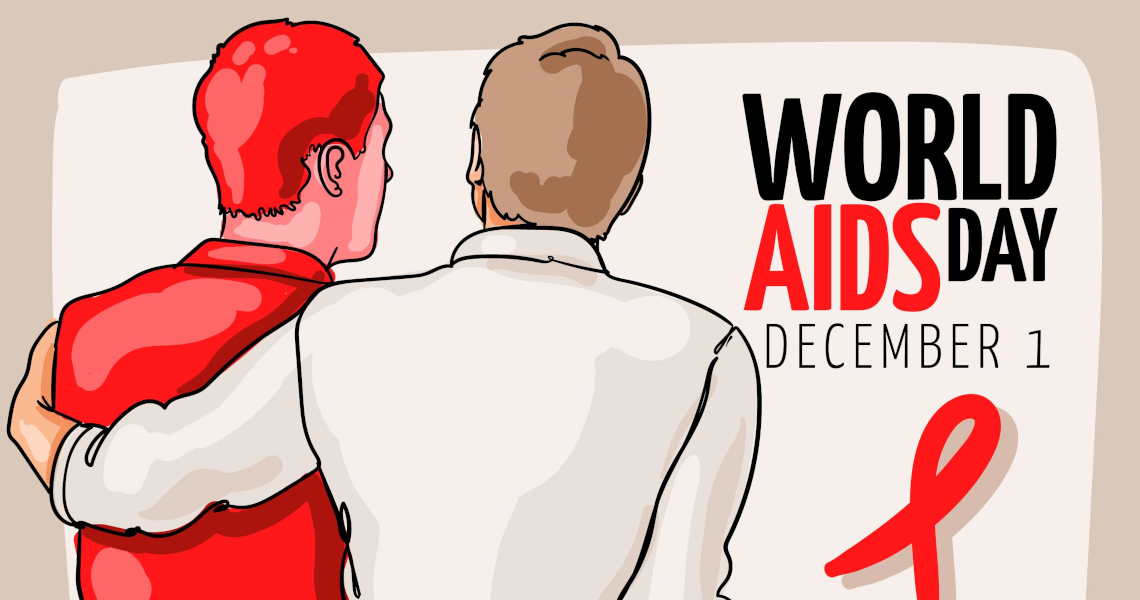
Aids
AIDS, which stands for Acquired Immune Deficiency Syndrome, is a disease caused by the HIV virus. This virus weakens the body's immune system and, if left untreated, can lead to death from severe infections or cancer. The most common mode of transmission worldwide is sexual contact. Unprotected sexual intercourse with individuals who have multiple sexual partners, those who engage in sex for money, those who have had other sexually transmitted diseases, and of course, those known to be HIV-positive, are the riskiest behaviors for transmission. The disease can be transmitted through blood and parenteral routes to drug addicts, patients who receive uncontrolled blood and blood products, and anyone who shares sharp or pointed objects such as razors, scissors, manicure/pedicure sets, tattoo equipment, dental instruments, and needles. The risk of transmission through blood and blood products is close to 100%; therefore, as in the rest of the world, screening of blood and blood products for HIV has been made mandatory in our country. HIV transmission from an HIV-positive mother to her baby generally occurs in the last three months of pregnancy, especially during childbirth. After birth, the rate of transmission increases in babies of breastfeeding mothers. In developed countries, the practice is to discontinue breastfeeding, but in underdeveloped countries, where breastfeeding is the sole source of nutrition, making this decision difficult. The disease was first detected in America in 1981. It has been observed in our country since 1985. According to the Ministry of Health data, the total number of patients diagnosed with this virus in our country from 1985 to the end of 2015 is around 12,500. This number also includes citizens of other countries who have been diagnosed in our country.
According to the latest data published by the Ministry of Health, the number of patients diagnosed with the virus in 2015 is approximately 2200. The majority of patients live in large and touristic cities such as Istanbul, Ankara, Izmir, Antalya, and Bursa.
To summarize the global situation, according to World Health Organization data from 2015, the total number of people worldwide living with HIV and diagnosed with AIDS was 36.7 million, and the number of deaths due to AIDS and AIDS-related illnesses in 2015 was 1.1 million. To date, the total number of deaths worldwide due to AIDS is approximately 35 million.
HIV (Human Immunodeficiency Virus) is a virus transmitted through blood, the use of shared needles or similar sharp instruments (parenteral route), sexual contact, and from an HIV-positive mother to her baby during pregnancy, childbirth, or breastfeeding. The presence of the virus in the body does not necessarily mean the disease has developed. Some people carry the virus in their blood for years without showing any symptoms. These individuals, defined as 'HIV positive' and continuing their normal lives, are instrumental in the spread of the disease.
The Course of HIV Disease
The virus causes a flu-like illness 2-6 weeks after entering the body. This condition, which is not seen in all patients, is often mistaken for an upper respiratory tract infection and overlooked. The doctor may only consider it if the patient mentions a suspected sexual encounter. During this period, the patient may experience symptoms such as fever, sore throat, headache, muscle and joint pain, enlarged lymph nodes, nausea, vomiting, diarrhea, and skin rash. These symptoms usually resolve spontaneously within a few weeks.
After the initial flu-like phase of the illness subsides, a silent period lasting an average of 8-10 years ensues, during which the virus shows no symptoms. Over the years, as the virus multiplies in the blood, the immune system begins to weaken. The amount of virus in the blood increases, and the number of some of the body's defense cells (CD4 cells) begins to decrease, making the person more susceptible to infections.
- Unexplained High Fever
- Rapid Weight Loss
- Persistent Fatigue
- Excessive Sweating, Especially at Night
- Persistent Diarrhea
- Painful sores and white patches in the mouth due to fungal infection
- Frequent recurrent vaginal yeast infections in women
- Persistent cough and shortness of breath
- Enlarged lymph nodes, especially in the neck, that can be felt in the body
- Various cancers that have been shown to be associated with AIDS also appear in later stages.
How is the disease diagnosed?
The most commonly used test is the ELISA method, which measures HIV antibodies in the blood. Antibodies are substances produced by the body against microbes it perceives as foreign. It takes time for the body to produce antibodies. Therefore, it is not meaningful to test for HIV antibodies at the time of presentation, especially in patients presenting with suspected sexual contact. It takes between 3 weeks and 6 months for the body to produce antibodies against HIV. They usually become detectable in the blood within 4-10 weeks. There is a window period during which antibodies are undetectable in the blood. During this period, substances called antigens, which belong to the virus, can be detected in the blood, and a diagnosis can be made. The first antigen to appear after HIV infection is the P24 antigen.
The HIV Combo test, developed for the early diagnosis of HIV, can detect both the aforementioned antibodies and the P24 antigen in the blood. It is particularly useful for early diagnosis when tested 3-6 weeks after suspected exposure. Our hospital uses the new generation HIV Combo test for HIV diagnosis. Positive blood samples are then confirmed with a Western Blot test. Patients found to be HIV positive are recorded using special coding methods without their names being explicitly written and reported to the Provincial Health Directorate.
To protect yourself from AIDS...
Worldwide, the most effective way to prevent HIV transmission is safe sex; therefore, a condom should always be used during sexual intercourse with a partner whose HIV status is unknown. In cases of unprotected or suspicious sexual contact, an infectious disease specialist should be consulted.
Sharp objects (razors, syringe needles, manicure/pedicure sets, etc.) should not be shared. It is recommended that long-term sexual partners get tested for HIV.
How is the disease treated?
While a drug that completely eliminates HIV from the blood or eradicates the disease has not yet been developed, treatment regimens using a combination of various antiviral drugs, used worldwide, are promising. These treatments suppress viral replication and maintain the body's immune system's capacity to fight infections, significantly improving patients' lifespans and quality of life. According to the World Health Organization (WHO), as of the end of 2015, 17 million HIV+ patients were receiving treatment, representing 46% of the total number of patients. It is estimated that with the WHO's recommendation to treat all HIV+ individuals, the number of people requiring antiviral treatment will decrease from 36.7 million to 28 million. If the goal of increasing the availability of treatment drugs is achieved by 2020, the AIDS epidemic is expected to end by 2030. In Turkey, AIDS monitoring and treatment are carried out in specific centers. This disease is not available in every healthcare institution. While it is performed in certain university and training and research hospitals in large cities, patients suspected of or diagnosed in smaller cities are referred to regional hospitals.
What are the challenges faced by AIDS patients?
Because HIV progresses by destroying the body's immune system, the disease itself is quite physically debilitating. Persistent fatigue, frequent infections, and intensive lifelong medication make daily life difficult, both psychologically and physically. Worldwide, the stigma and discrimination patients face when they share their diagnosis with their environment create significant problems in their social and private lives. The already difficult follow-up and treatment process becomes even more challenging for patients. These problems can only be mitigated through increased awareness about the disease.
How is AIDS Transmitted?
- Unprotected Sex
- Substance Injection
- Blood Transfusion
- Pregnancy, Childbirth, Breastfeeding
How Does AIDS Not Spread?
- Don't Touch
- Shared Items
- Insect Bites
- Shared Toilet Use