- +902425102525
- alanya@baskenthospitals.com
-
Saray Mah. Yunus Emre Cad. No:1 Alanya/ANTALYA
 English
 Türkçe
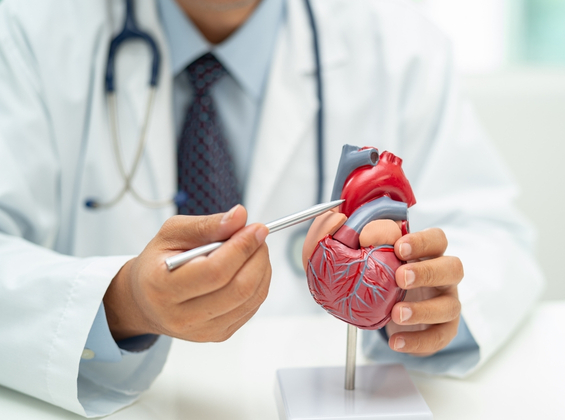
The Department of Cardiology specializes in the diagnosis, treatment, and follow-up of diseases related to the heart and vascular system. Heart health is one of the most important factors affecting overall quality of life. Our experienced cardiology specialists use advanced diagnostic and treatment methods to protect heart health and detect cardiovascular diseases at an early stage.
The department provides diagnosis and treatment for a wide range of cardiovascular conditions, including coronary artery disease, heart rhythm disorders (arrhythmias), heart valve diseases, heart failure, hypertension, and congenital heart diseases.
Various modern diagnostic methods are used, such as electrocardiography (ECG), stress testing, echocardiography (ECHO), Holter monitoring for heart rhythm and blood pressure, as well as advanced cardiac imaging techniques. These technologies help identify heart diseases early and allow physicians to develop appropriate treatment plans.
In addition to diagnosis and treatment, the department also focuses on preventive cardiology. Through risk assessment, lifestyle recommendations, and regular check-ups, our goal is to help patients maintain a healthy heart and reduce the risk of cardiovascular diseases.
Our mission is to provide reliable, comprehensive, and patient-centered cardiology services in accordance with international medical standards while improving the heart health and quality of life of our patients.
Main Procedures Performed in Our Department;
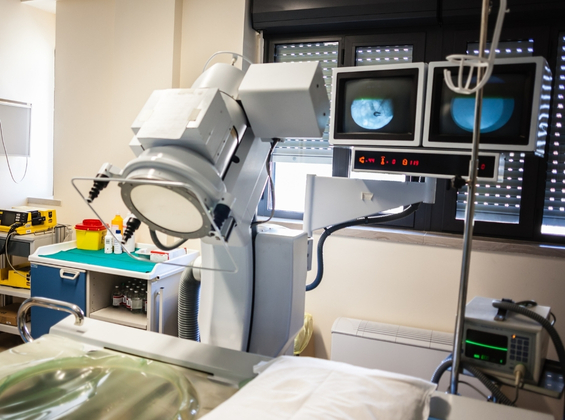
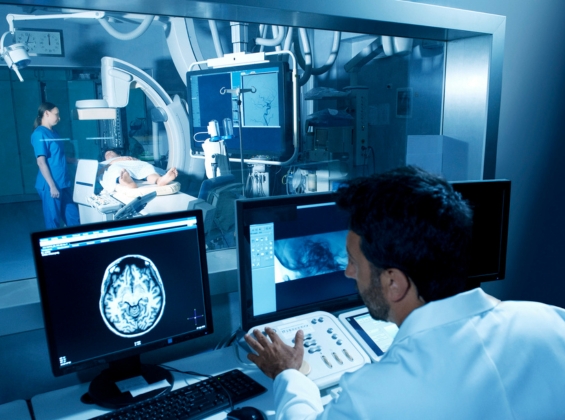
- Our Coronary Angiography unit provides 24-hour service.
- ECG: Recording of the heart's electrical activity for a few seconds
- Holter ECG: Recording of all electrical activity of the heart for 24-48 hours during daily life
- Event Recorder: Recording of the heart's electrical activity before and after an event when a heart-related complaint is felt during daily life
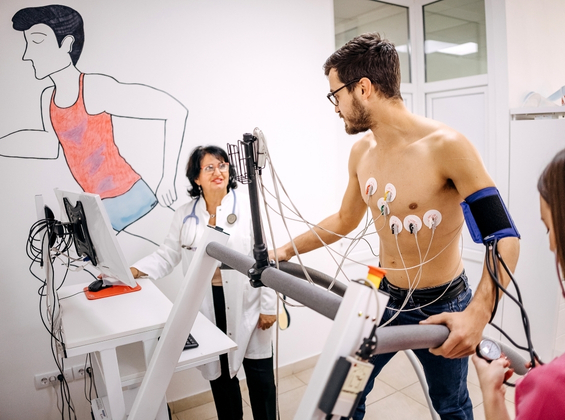
- Treadmill-Exercise Test: Recording of the electrical activity of the heart while walking on a rotating belt
- Ambulator Blood Pressure Monitoring: Recording of changes in blood pressure during daily life record
- Transthoracic Echo: Ultrasound imaging of the heart through the chest cavity on a screen
- Transesophageal Echo: Ultrasound imaging of the heart through the esophagus on a screen
- Contrast Echo: Visualization of blood movements within the heart through an ultrasound screen using a fluid with air bubbles injected intravenously
- Fetal Echo: Visualization of the baby's heart in the womb using a special ultrasound device
- Pediatric Echo: Visualization of the heart of babies and young children through a special ultrasound device on a screen